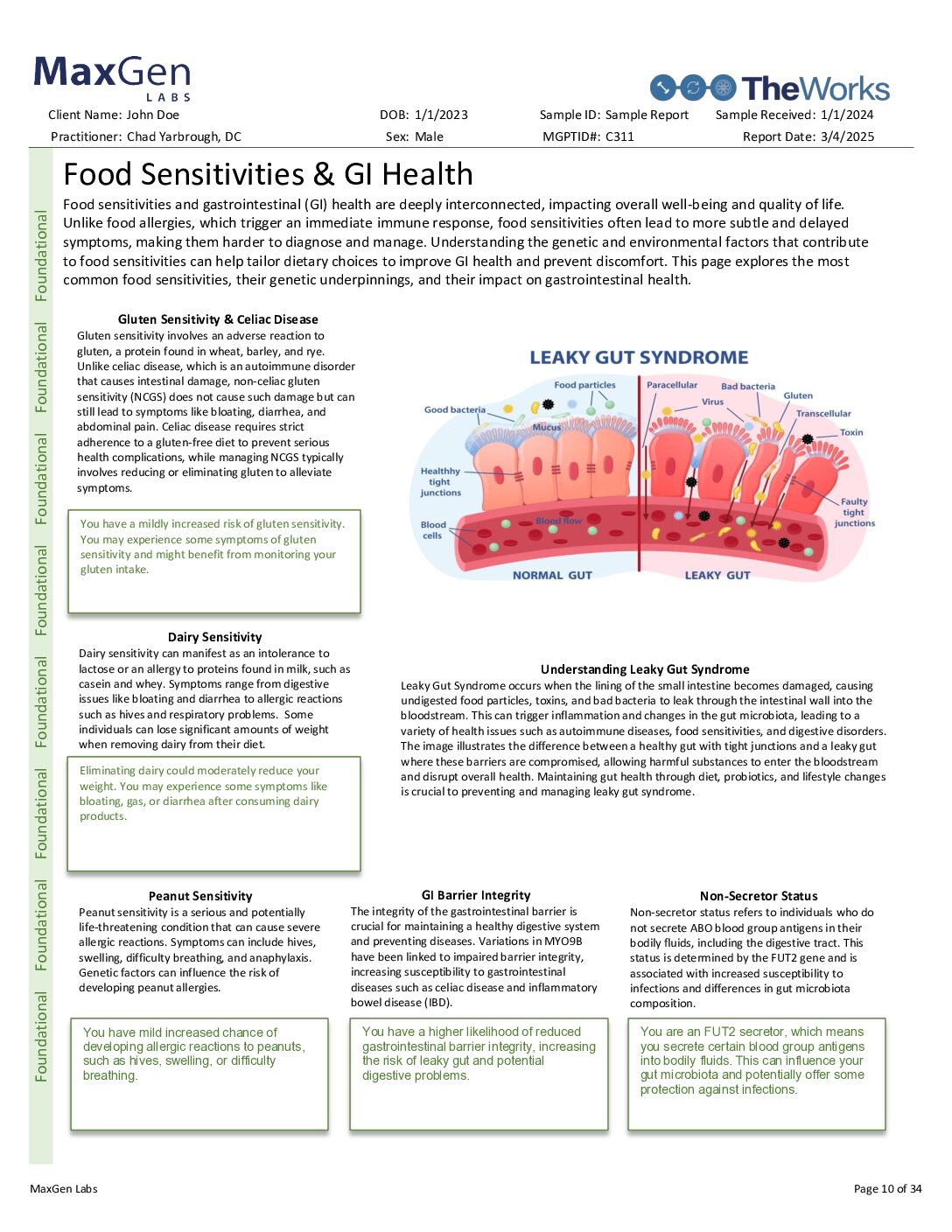
Have you ever wondered if your digestive system is moving a bit too slowly? Gut transit time is the speed at which food travels through your digestive tract. It is a vital indicator of your overall health.
If you’re feeling bloated, sluggish, or suspect you might be dealing with “hidden” constipation, there is a simple, non-invasive way to check your transit time at home using a common kitchen staple: corn.
Why Gut Transit Time Matters
A healthy gut doesn’t just absorb nutrients; it efficiently eliminates waste. When transit time is too slow, waste sits in the colon too long, which can lead to:
- Recirculation of toxins and hormones (like estrogen).
- Bloating and gas from fermentation.
- Disruptions in your microbiome, potentially leading to SIBO or dysbiosis.
How to Perform the Corn Test
Corn kernels have a tough outer cellulose shell that the human body cannot fully break down. This makes them the perfect “biological markers” to track your digestion from start to finish. Note that people with corn allergy or food sensitivity should talk to their doctor about another marker to use.
Step 1: Eat Corn
At a single meal, eat a generous portion of cooked corn. Canned or frozen is easiest. It is ok to eat this as part of a regular meal with other foods.
- Adults: eat 1–2 cobs or 1 cup of canned or frozen kernels.
- Children: eat 1 cob or 1/2 cup of canned or frozen kernels.
Step 2: Record
- Start Time: Write down the exact day and time you ate the corn.
- Resume Normal Diet: Continue eating your regular meals, but do not eat any more corn until the test is over.
Step 3: Observation
Carefully check your stool every time you go. (Pro-tip: Leave a post-it note on the toilet to remind yourself!)
- First Sighting: Record the day and time you first see corn in your stool.
- Final Sighting: Record the day and time you see the very last of the corn.
Reading Your Results
Once you have your times recorded, you can calculate your transit speed. Generally, we want to see corn for the first time approximately 14-24 hours after eating it. The corn should be totally gone from the stool, no more sightings, by 36 hours after eating it. There is room for individual variation depending on your unique GI health or anatomy that your doctor can interpret.
If it takes longer than 24 hours for the corn to first appear, or if it stays in your system for more than 48 hours, your bowels may be sluggish.
Next Steps for Your Gut Health
If your results indicate sluggish transit time, we will investigate further. Usually starting with simple interventions, like more fiber and water, can help greatly.
Ready to dive deeper? Bring your recorded “Corn Test” times to your next appointment. Together, we can find the root cause of your digestive concerns and get things moving smoothly again.
Disclaimer: The content of this blog is for informational purposes only and is not intended as medical advice. Always consult with a qualified healthcare provider before making changes to your diet, sleep routine, or supplement regimen.